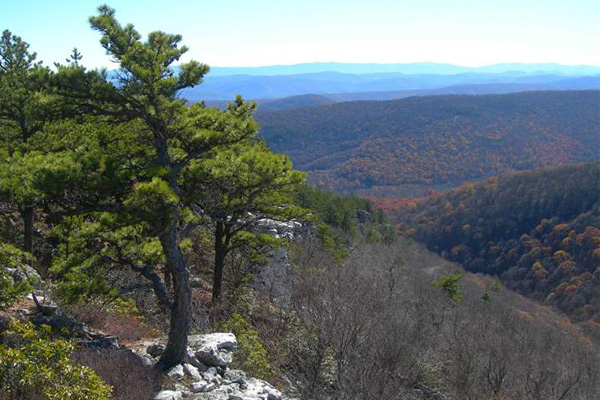
"Fire played a historical role in the development of the vegetation in the mountain region, especially in the Jocassee Gorges. The Cherokees and early settlers used fire regularly to keep the woodlands open, provide wildlife habitat and forage for livestock."
(Jocassee Journal: Spring / Summer 2012)
Smokey the Bear is a mascot created to educate the American public about the dangers of forest fires. The fictional character is administered by three entities: United States Forest Service, the National Association of State Foresters, and the Ad Council. The first campaign, created in 1944, was very effective. The following campaigns were just as persuasive. However, fire ecologists argue the campaign was too successful. The Smokey Bear campaign has been criticized by wildfire policy experts in cases where decades of fire suppression and the indigenous fire ecology were not taken into consideration, creating forests unnaturally dense with invasive vegetation and a heavily shaded forest floor.
A prolonged drought in the Southeast U.S. sparked dozens of wildfires in the forest of the southern Appalachian mountains. These fires began around November 9th, 2016 and lasted about a month. Pinnacle Fire, which was located in Table Rock State Park close to Pickens, SC, burned at least 10,000 acres. "The fire will have long-lasting impacts on forest composition and wildlife habitat. In general, the fire will result in many positive ecological improvements because
historically, fire played a critical role in the development and maintenance of the forest and plant communities across the Blue Ridge Escarpment." -Mark Hall
(Jocassee Journal: Fall / Winter 2016)

= Pinnacle Fire AreaAs a result of fire suppression, some species have encroached into areas where they do not belong ecologically. Fire will eliminate many of those fire-intolerant plants.
Fire suppressed forests become stagnant, however they can support vibrant plant communities that have been absent for decades. Diverse forests are able to withstand the ravages of disease, insect invasions and catastrophic events.
The pinnacle fire will cause some trees to die and more snags, which are standing dead or dying trees, will be present in the future.
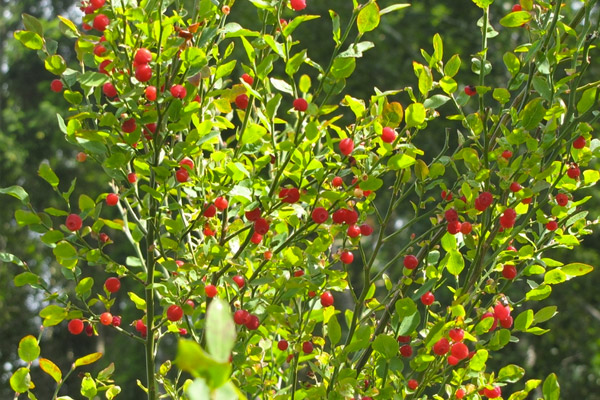
The key to improving the quality of bear habitat is to provide habitat diversity. Pinnacle Mountain Fire created a landscape for a variety of vegetation crucial to black bears. For instance, they use hollow snags in the winter for denning and eat huckleberries that grow in previously burned areas.
Low ground cover and patches of shrubs, which are typical of frequently burned areas, offer a varied pattern of vegetation that provides nesting opportunities, protective cover and abundant insects for songbirds.
Information and News about the Jocassee Gorges
(Fall / Winter 2016)